Oriel trio preparing for Edinburgh Fringe debut

Interview with Lord Mendoza about Britain’s soft power and his role on the UK government’s new Soft Power Council
Britain is consistently ranked either second or third, after China or America, on global soft power indices. Whereas America and China are the world’s two biggest economies, though, Britain places fifth, its GDP less than a quarter of that of China. When it comes to soft power, Britain is punching in a higher weight class.
However, Britain is being complacent, according to Lord Mendoza. The Provost of Oriel College is a member of the new Soft Power Council which was set up to advise the government on its soft power strategy and to identify ways for Britain’s soft power assets to be harnessed to achieve other objectives such as security and growth.
“We think we’re great and we take it for granted,” Mendoza said. “There’s fierce competition from other countries. We may lose our soft power status if we don’t pay more attention to it.” He also paraphrased Tom Fletcher, the former Principal of Hertford College who served as a foreign affairs policy advisor to Number 10, saying: “We leave our soft power assets lying around.”
The American political scientist Joseph Nye coined the phrase “soft power” to refer to a nation’s ability to achieve the outcomes it wants “through attraction rather than coercion or payment”. When David Lammy, the former foreign secretary, launched the Soft Power Council in January 2025, he said that soft power can help “build relationships, deepen trust, enhance our security and drive economic growth”.
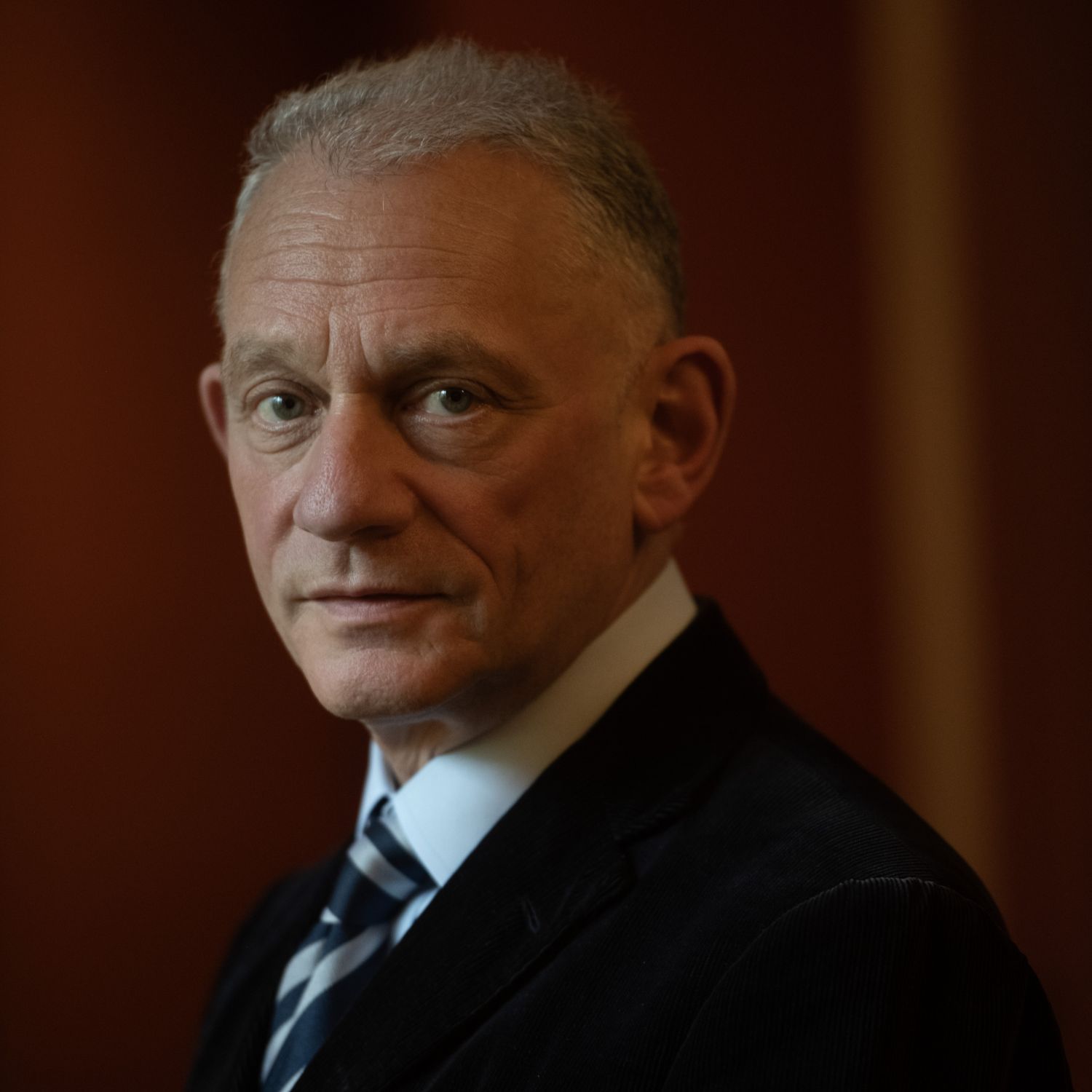
In addition to his role at Oriel, Mendoza is the chair of Historic England, which is an arm’s-length body of the Department for Culture, Media and Sport responsible for looking after England’s historic environment. He also previously served as the government’s Commissioner for Culture.
To see how much heritage adds to Britain’s soft power, Mendoza said that “you only have to look at the tourism sector”. The sector is worth more than £100 billion to the British economy, according to VisitBritain, the national tourism agency.
What draws overseas tourists in sizeable numbers to Britain, Mendoza claimed, are primarily Britain’s heritage and heritage sites such as the Tower of London, national museums and other cultural destinations. He added that the tourism draw will be different in other countries.
On the Soft Power Council, Mendoza is joined by other experts from across culture, sport, the creative industries, higher education and geopolitics, including Tristram Hunt, director of the V&A Museum, Dame Katherine Grainger, chair of UK Sport, General Sir Nick Carter, former Chief of the Defence Staff, and Vivienne Stern, chief executive of Universities UK. Dr Linda Yueh, an economist and Fellow at St Edmund Hall, Oxford, also serves on the council. The council is co-chaired by the foreign secretary, Yvette Cooper, and culture secretary, Lisa Nandy, who can then argue for soft power and its use in the cabinet.
Mendoza said that the council defines soft power “really widely”. As well as being a vehicle for hard power — the ability to influence through “coercion or payment” — he explained how even the military is considered a soft power asset. When the HMS Prince of Wales warship docked in Tokyo in August, this was not to intimidate or coerce Japan but to demonstrate, he said, “allegiance, alliance and cooperation”.
“I suppose the point of soft power,” Mendoza added, “is to project a collection of … how a country sees itself, through its culture, through its foreign policies and through its political values.”
The creation of the Soft Power Council is the first time any serious attempt has been made to bring representatives of Britain’s multifarious soft power assets together in one room. Many disparate sectors, industries and organisations all contribute to the nation’s considerable soft power base — as do multiple government departments. But before now Britain’s soft power has more or less been left to grow or decline without any thought-out concerted effort to protect it or harness it for other ends.
Meanwhile, other nations have worked to increase their influence by backing, financially and otherwise, strategic industries and infrastructure projects. China, for example, has financed billions of dollars of investment to build ports, roads and railways across Asia, Africa and much of the global south, as well as funding scholarships, while also increasing its military and economic hard power. South Korea has put its weight successfully behind the creative industries, resulting in the global proliferation of K-Pop, K-Film and K-Beauty.
Given this global context, Mendoza said that Britain cannot afford to be “casual” about soft power anymore. “There is this idea that we should value our soft power assets and understand what they are so we don’t let them decline, that the world is different and multipolar … so therefore we can’t be complacent,” he added.
But not every nation seems to be valuing soft power. America, which is the premiere soft power nation, for example, appears to be retreating from its soft power assets, such as dismantling USAID, closing services like Voice of America and Radio Free Asia and restricting visas for foreign students.
Mendoza has argued that there is an opportunity for Britain to fill the space that America has vacated. In May 2025, he told Franklin Nelson at the Financial Times that he thought it was a “brilliant moment to increase” spending on organisations like the BBC World Service, arguing that budget cuts could threaten Britain’s soft power. “If there’s an opportunity, why wouldn’t you be bold?” he added.
For all the influence it affords Britain around the world, Mendoza claimed that the BBC World Service easily justifies investment. In 2024/25, the World Service had an average audience of 313 million per week.
With the Trump administration attacking the independence of American universities, restricting academic freedom on campuses and attempting to curb international student numbers, Mendoza also sees an opportunity to attract more international students and academics to Britain. He described this opportunity as one “to pick up some of the best”.
Britain’s higher education system is among the best in the world, second only to America’s. It is also a key source of the nation’s soft power. The effect of admitting large numbers of international students, said Mendoza, is that Britain has “hundreds of thousands of alumni all over the world who mostly will think better of the UK for having had the experience of studying and living here”.
According to the 2025 HEPI Soft-Power Index, Britain has educated the second most world leaders after America, with more world leaders studying at Oxford University than at any other institution in the world apart from Harvard. Mendoza said “the transformative educational influence of the University of Oxford delivers a great chunk of the UK’s soft power”.
Because he thinks it will deter international students, Mendoza questioned the British government’s proposed 6 per cent surcharge on international tuition fees (later confirmed as a flat fee of £925), which surfaced in a white paper from the Home Office in August 2025.
He said that universities were “incredulous” about the proposal and asked: “Why would you try and put off people from coming, especially to a university sector that is struggling financially and where international students are an incredibly important part of their operating model to make it break even?”
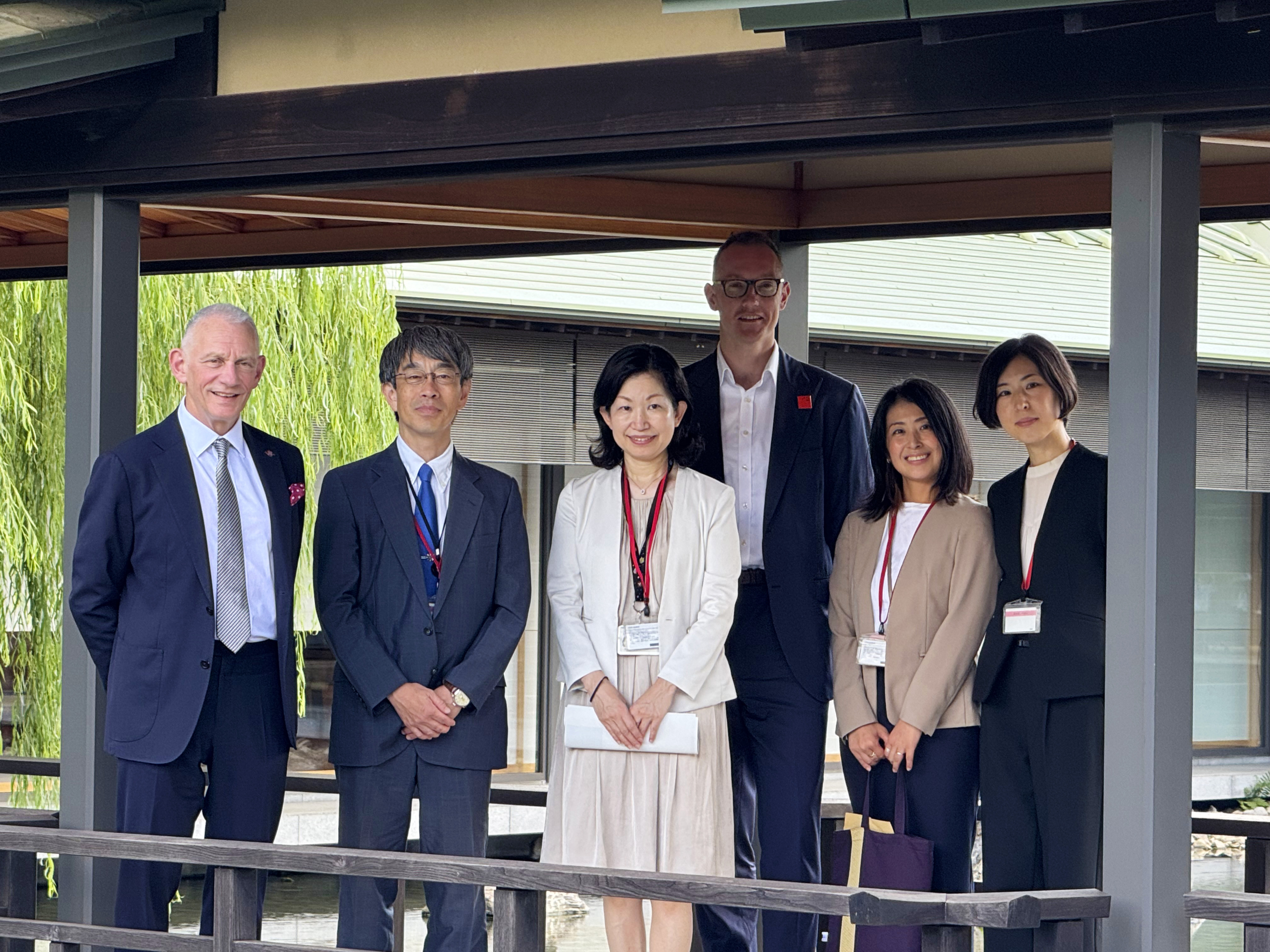
Since being appointed to the Soft Power Council in January, Mendoza has made several international trips on behalf of the Foreign Office. The first of these was in August to Expo 2025 in Osaka, Japan, where he accompanied government ministers and spoke with culture and heritage officials from Japan’s Agency for Cultural Affairs, as well as meeting ambassadors and officials from other countries.
In September, Mendoza then attended and spoke at the Cultural Investment Conference 2025 in Riyadh, Saudi Arabia. He also signed a new partnership agreement between Historic England and the Saudi Heritage Commission.
The partnership develops from Prime Minister Keir Starmer’s earlier visit to Saudi Arabia in December, when he signed a landmark deal agreeing to share Britain’s cultural and creative expertise. Mendoza described the deal as an “excellent example of cultural and heritage expertise leading in national soft power”.